Converge2EU Bosnia and Herzegovina
Bosnia and Herzegovina: strong on digital skills and health, but 97 years from the EU on infrastructure
How close are people’s lives in Bosnia and Herzegovina to those of EU citizens? The 2026 Convergence Report for BiH, presented in Sarajevo on 22 October 2026, puts numbers on the question.
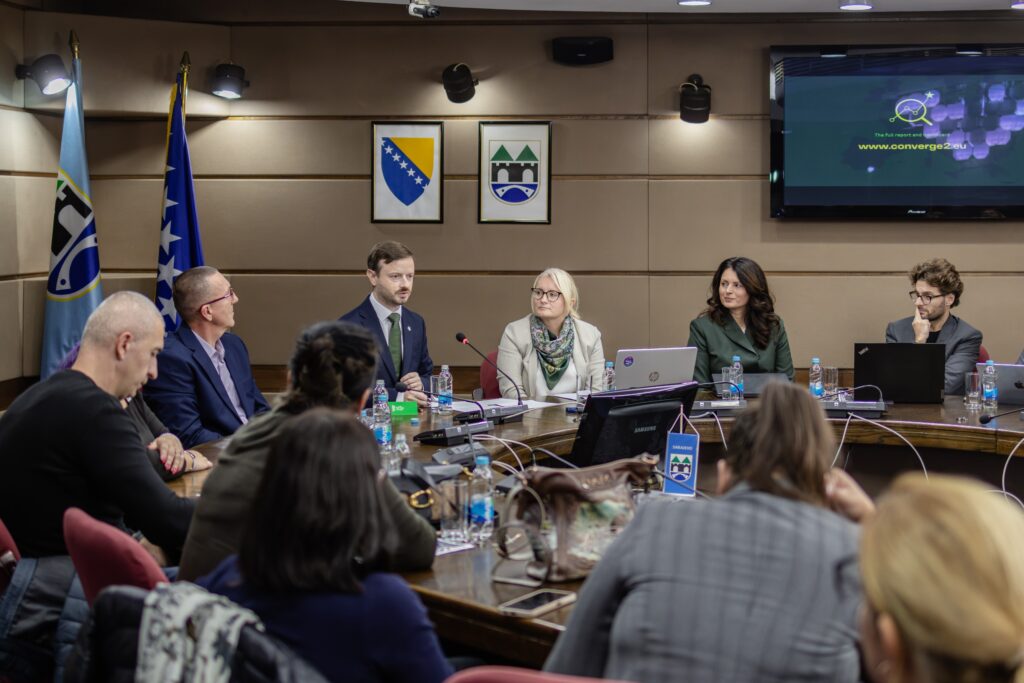
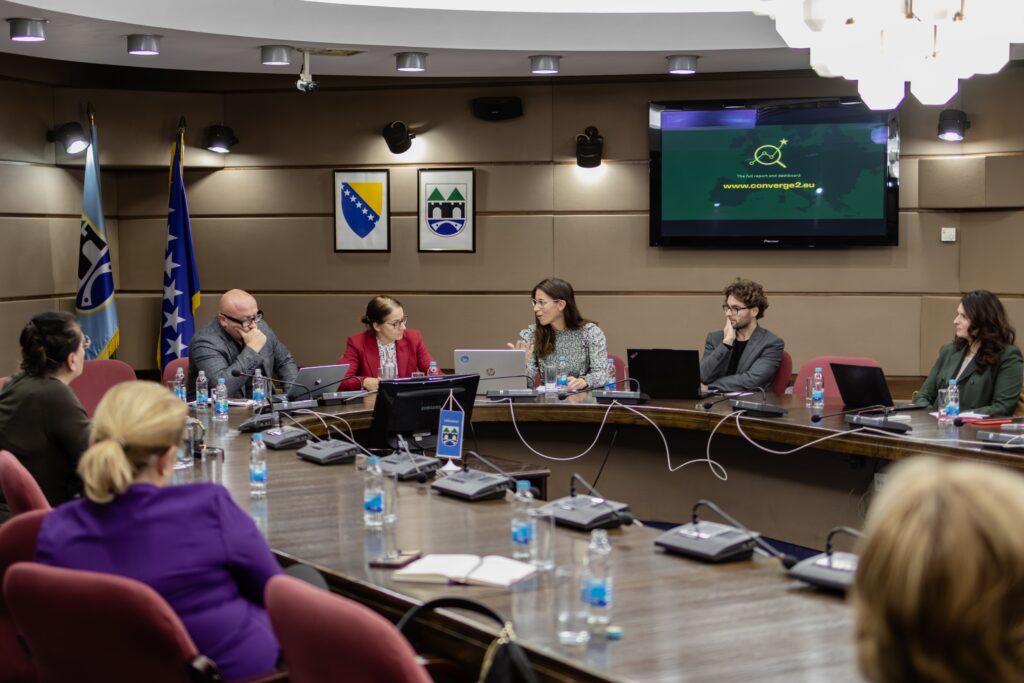
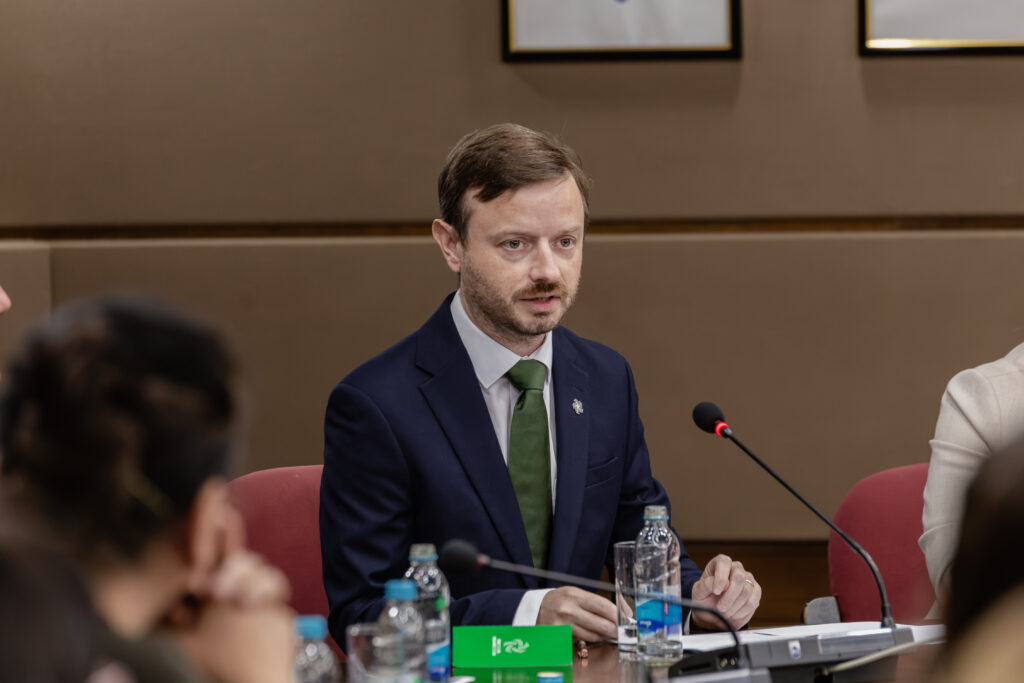
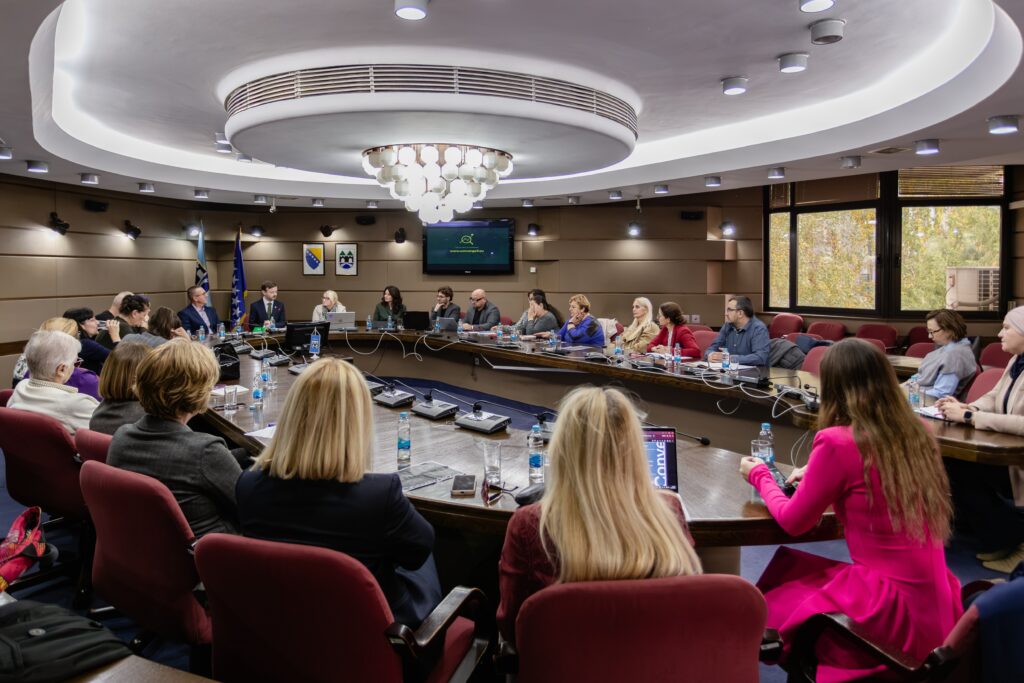
The Centre for Policy and Governance (CPU) hosted the policy dialogue together with the regional converge2eu initiative. Government institutions, policy advisors, civil society and international partners discussed how BiH compares with EU averages, how long catching up would take, and how different integration scenarios would change the pace.
Beyond chapters and benchmarks
converge2eu does not count opened chapters. It tracks 48 indicators of daily life across eight areas: economy, social welfare, health, education, environment, governance, digitalisation and infrastructure.
“Real progress toward the EU is measured by how citizens actually live,” said Azra Bećirović, Team Lead at CPU.
Where BiH is catching up
- Digital skills and connectivity: basic digital skills and household internet access are at around 94% of the EU average. Use of e-government services lags at 45%.
- Health: 75.8% of the EU average overall. Life expectancy reaches 97% of the EU level and public spending on health around 94%.
Where the gap is widest
- Environment: only 35.4% of the EU level, and the gap is widening. Carbon intensity is the weakest indicator at 17%. Recovered waste, at 23.2%, fell 7.5 percentage points relative to the EU in one year.
- Infrastructure: 42.9% of the EU average. On the five-year trend, closing the gap would take about 97 years. Safe water supply performs relatively well (89%); motorway density reaches only 21%.
- Social welfare: the gender employment gap widened. Higher social-protection spending has not been shown to reach the poorest households more effectively.
What would speed things up
The report models four integration pathways, from Single Market access to full EU membership. Full membership brings the largest gains, mainly in the economy and health. Access to the EU budget is the second-fastest route.
“Convergence is not merely a technical exercise; it is about ensuring that citizens across the Western Balkans enjoy the same opportunities, rights, and quality of life as EU citizens,” said Branimir Jovanović, economist at the Vienna Institute for International Economic Studies (wiiw).
Participants called for structured, cross-sector dialogue to build this evidence into BiH’s national reform strategy and accession process.
About converge2eu
converge2eu is coordinated by wiiw (Austria) and Think Europe (Slovenia), with one partner in each of the six Western Balkan economies, and is supported by the Open Society Foundations – Western Balkans. Full country data and the interactive dashboard are at converge2.eu.